What Are Workout Mats for Home Gym?
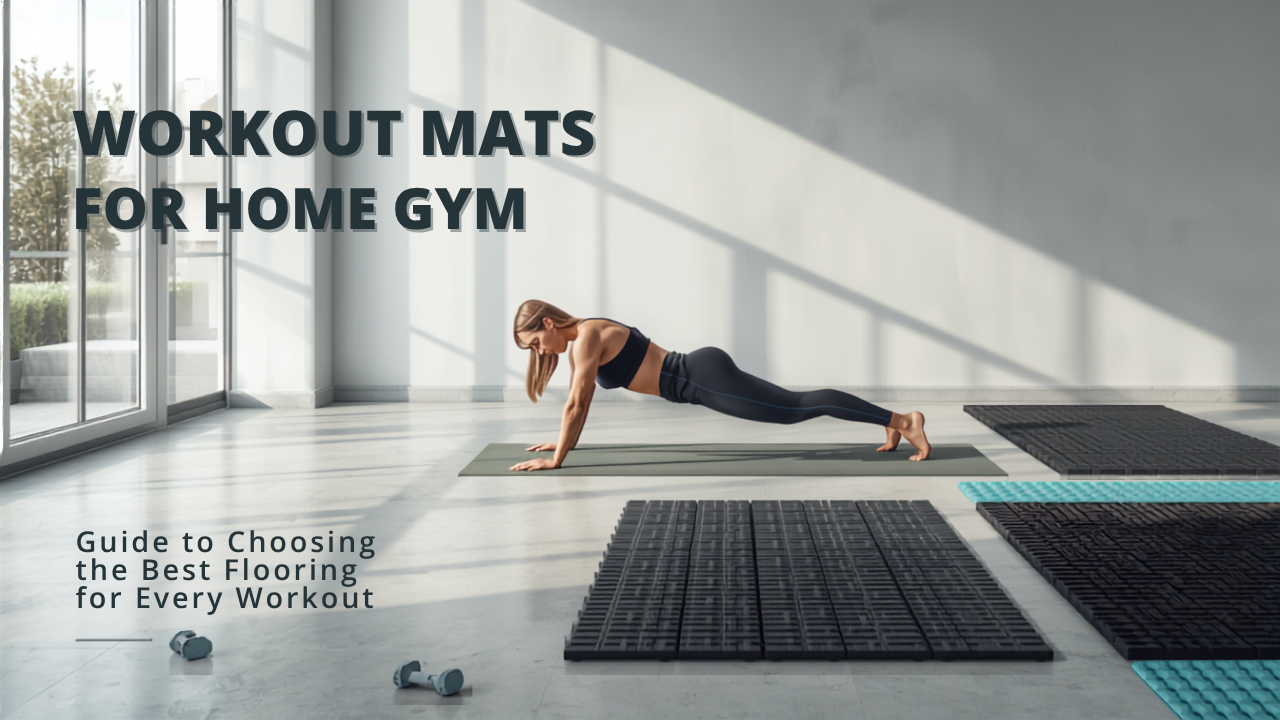
Workout mats for home gym setups are specialized flooring surfaces designed to provide cushioning, grip, and floor protection during exercise. They act as a barrier between your body, equipment, and the floor. Whether you’re doing yoga, HIIT workouts, or lifting weights, the right mat improves stability, reduces injury risk, and extends the life of your flooring.
Why Workout Mats Actually Matter
At first glance, mats seem optional. In reality, they’re one of the most important parts of any home gym.
Key Benefits
- Joint protection: Reduces impact on knees, wrists, and spine
- Anti slip safety: Prevents slipping during intense movements
- Floor protection: Avoids scratches, dents, and cracks
- Noise reduction: Ideal for apartments and shared spaces
- Performance boost: Better grip = better control
Without proper mats, even basic workouts can lead to discomfort or long term injury.
Types of Workout Mats (And When to Use Each)
Choosing the wrong type is one of the biggest mistakes people make. Each mat serves a different purpose.
1. Yoga Mats
Best for: Stretching, yoga, pilates
- Thin and lightweight (3–6mm)
- Moderate cushioning
- High flexibility
Not suitable for: Heavy workouts or jumping exercises
2. General Exercise Mats
Best for: Bodyweight training, core workouts
- Medium thickness (6–12mm)
- Balanced cushioning and stability
- Versatile for most users
3. Interlocking Foam Tiles
Best for: Full home gym flooring
- Puzzle style setup
- Covers large areas easily
- Budget friendly
Watch out: Lower durability under heavy weights
4. Rubber Gym Mats
Best for: Weightlifting, strength training
- High durability
- Excellent shock absorption
- Long lifespan
Ideal for: Dumbbells, barbells, and heavy equipment
5. Folding Mats
Best for: Martial arts, mobility training
- Thick and soft
- Portable and easy to store
How to Choose the Right Workout Mat (Step by Step)
If you’re unsure what to buy, follow this simple decision path:
Step 1: Define Your Workout Style
- Yoga or stretching → Thin mat
- HIIT or cardio → Medium thickness
- Weightlifting → Thick rubber mat
Step 2: Choose the Right Thickness
| Workout Type | Ideal Thickness |
|---|---|
| Yoga | 3–6 mm |
| Pilates | 6–10 mm |
| HIIT | 10–15 mm |
| Weightlifting | 15–25 mm |
| Heavy Equipment | 20 mm+ |
Thicker isn’t always better. Too much cushioning can reduce stability.
Step 3: Pick the Right Material
| Material | Benefits | Drawbacks | Best Use |
|---|---|---|---|
| PVC | Durable, affordable | Less eco friendly | Beginners |
| TPE | Eco friendly, lightweight | Less durable | Yoga |
| Rubber | Extremely durable | Expensive, heavy | Strength training |
| EVA Foam | Soft, cheap | Wears out quickly | Light workouts |
| Cork | Natural grip, sustainable | Higher cost | Premium yoga |
Step 4: Measure Your Space
- Small space → Rollable mat
- Dedicated gym → Interlocking tiles
- Garage gym → Rubber flooring
Step 5: Set a Budget
- Entry level → Basic foam or PVC
- Mid range → TPE or thick exercise mats
- Premium → Rubber flooring systems
Rubber vs Foam Mats: Which Is Better?
Rubber Mats
Pros:
- Long lasting
- High impact resistance
- Best for heavy lifting
Cons:
- Expensive
- Heavy
Foam Mats
Pros:
- Affordable
- Lightweight
- Easy to install
Cons:
- Less durable
- Can compress under weight
Verdict:
- Choose rubber for durability and serious training
- Choose foam for budget friendly, light workouts
Real World Setup Scenarios
Small Apartment Setup
- Use foldable or rollable mats
- Focus on noise reduction
- Avoid thick rubber if storage is limited
Garage Gym Setup
- Install interlocking rubber or foam tiles
- Cover full floor area
- Prioritize durability
Multi Purpose Room
- Use modular tiles
- Easy to assemble and remove
- Flexible for different workouts
Pricing Guide (Global Overview)
Understanding pricing helps avoid overpaying.
Typical Price Ranges
- Basic mats: $10–$30
- Mid-range mats: $30–$100
- Premium rubber flooring: $100–$300+
What Affects Price?
- Material quality
- Thickness and density
- Brand reputation
- Size and coverage area
Budget vs Long Term Value
Cheap mats may seem attractive, but they often wear out quickly. Investing in higher quality materials can save money over time.
Common Mistakes to Avoid
Avoid these if you want your setup to last:
- Choosing thin mats for high impact workouts
- Ignoring material durability
- Buying based only on price
- Not checking anti-slip properties
- Using yoga mats for weightlifting
Safety Considerations You Shouldn’t Ignore
- Slippery mats increase injury risk
- Low density foam can collapse under weight
- Some PVC mats may emit strong odors
- Incorrect thickness reduces stability
Always prioritize grip, density, and durability over appearance.
Do Workout Mats Reduce Noise?
Yes especially rubber and foam mats.
They absorb impact and vibrations, making them ideal for:
- Apartment workouts
- Early morning or late night sessions
- Shared living spaces
Alternatives to Workout Mats
If you’re on a tight budget, consider:
- Thick carpets (temporary use)
- Rubber rugs
- Artificial turf
- Wooden lifting platforms
These options can work, but they don’t provide the same level of protection and durability.
Best Practices for Long Term Use
Keep your mats in good condition with simple habits:
- Clean regularly to prevent bacteria buildup
- Store in dry areas
- Avoid prolonged sun exposure
- Rotate mats to prevent uneven wear
Final Buying Checklist
Before purchasing, make sure you have:
- Defined your workout type
- Selected the correct thickness
- Chosen the right material
- Measured your space
- Set a realistic budget
This prevents costly mistakes and ensures long term satisfaction.
Conclusion
Workout mats are more than just accessories they’re the foundation of a safe and effective home gym. The right choice depends on your workout style, space, and budget. Thin mats work for flexibility training, while thicker rubber options are essential for strength workouts. If you want long term value, focus on durability, grip, and proper thickness not just price. A well chosen mat protects your body, your floor, and your investment in fitness.