What Prebiotics and Probiotics Actually Do (Most People Get This Wrong)
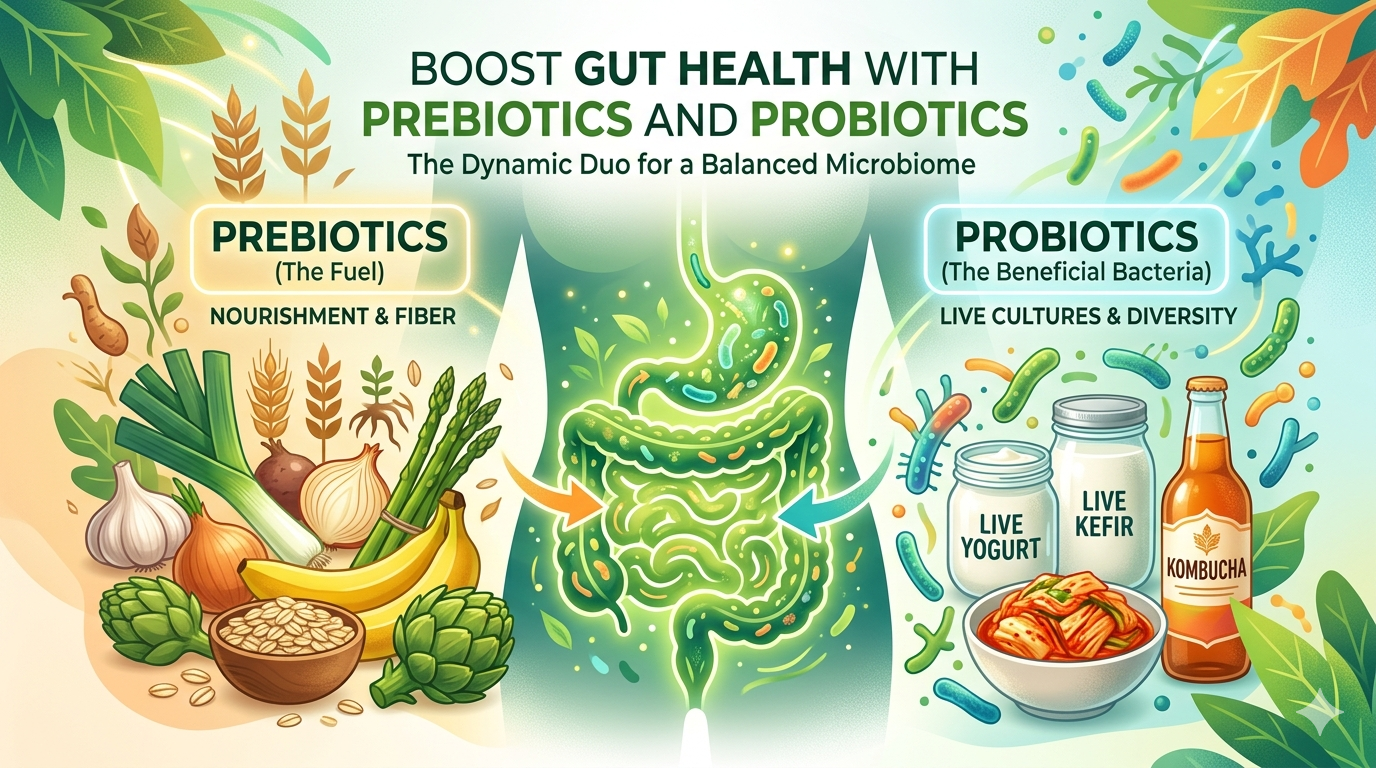
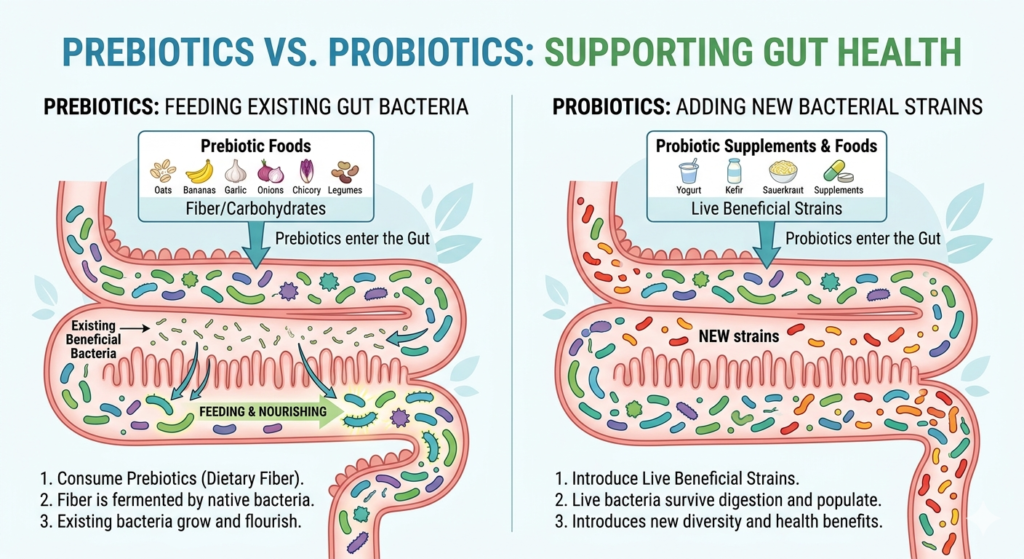
Boosting gut health with prebiotics and probiotics means using two complementary tools: probiotics introduce live beneficial bacteria into the gut, while prebiotics feed the bacteria already living there. Together, they support digestion, immune function, and the gut brain axis but only when used in the right combination.
Here’s the thing: most people start with a probiotic supplement and skip prebiotics entirely. That’s a bit like planting seeds in dry, nutrient-stripped soil, then wondering why nothing grows. The bacteria need food to survive and colonize. Without prebiotic fiber, even high quality probiotic supplements struggle to take hold.
Your gut houses somewhere between 300 and 500 bacterial species trillions of individual microorganisms collectively called the gut microbiome. According to the 2024 Danone Microbiome Study conducted by KRC Research, Google searches for “gut health” have more than doubled in just three years. Yet 41% of consumers still don’t know what the gut microbiome actually is, and 56% are unaware that gut health is directly connected to immune function.
That knowledge gap explains a lot of the frustration.
The Prebiotic Foods You Probably Already Own
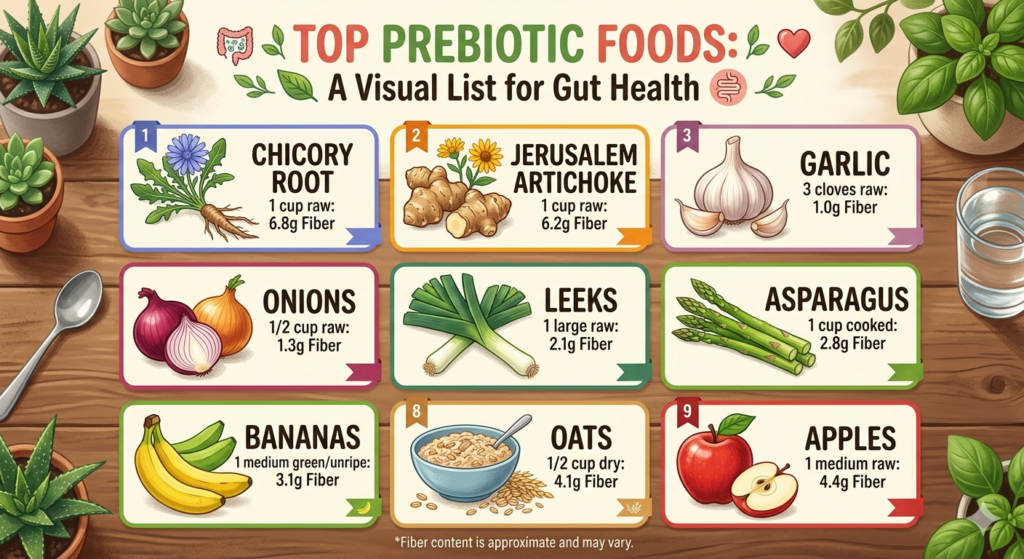
Prebiotics are non digestible fibers that travel to the colon and act as fuel for beneficial bacteria. Your body can’t break them down. The bacteria can and thrive when they do.
The strongest prebiotic food sources are garlic, onions, leeks, asparagus, chicory root, oats, flaxseed, green bananas, and apples. Nothing exotic. Garlic and oats rank among the most potent options available, largely due to their inulin and beta glucan content respectively.
Only about 5% of Americans currently get the recommended 25–38 grams of daily fiber they need, according to the Global Wellness Institute’s 2024 Gut Health Report. That deficiency directly starves beneficial gut bacteria. If probiotic supplements haven’t worked for you, low prebiotic intake is the most likely reason.
Quick note: raw garlic and slightly underripe bananas contain significantly more prebiotic fiber than their cooked or ripe equivalents. Cooking breaks down inulin the primary prebiotic compound. Worth factoring into meal planning.
One thing to keep in mind is that prebiotic foods can cause temporary gas or bloating when you first increase intake. That’s normal. Start small one serving per day and increase gradually over two to three weeks.
Probiotic Foods and Supplements Why Strain Specificity Changes Everything
Most people grab whatever probiotic is on sale. That’s the core mistake.
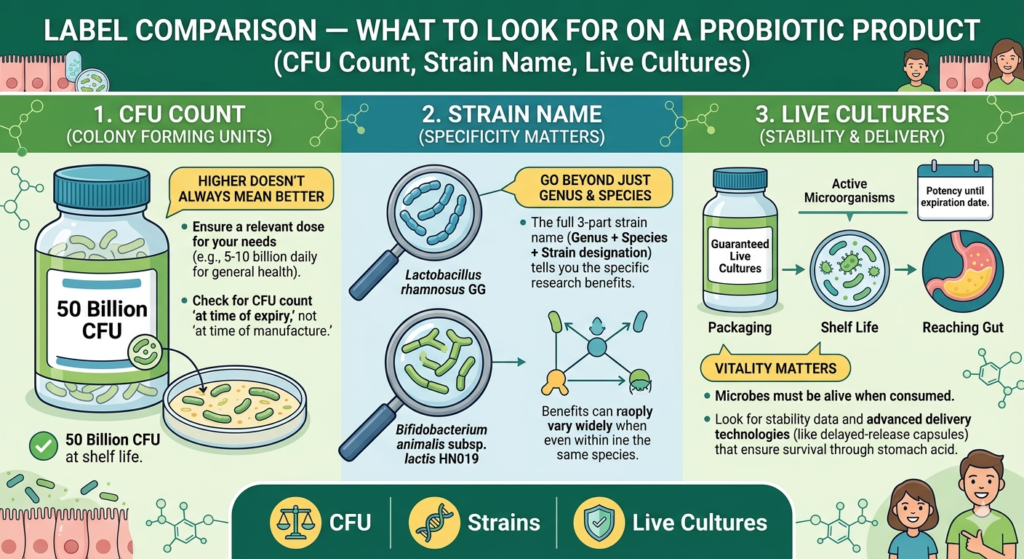
The most evidence backed probiotic strains for specific gut issues are: Lactobacillus rhamnosus GG (antibiotic-associated diarrhea, IBS), Bifidobacterium longum (constipation, post-antibiotic recovery), and Lactobacillus acidophilus (bloating, lactose intolerance). A 2024 review published in Nutrients by researchers at UCLA’s David Geffen School of Medicine confirmed that prebiotics and probiotics produce the strongest clinical results when strain selection is matched to the specific symptom not taken generically.
A strain that reduces antibiotic side effects won’t necessarily touch your bloating. These are different tools.
Fermented Foods Worth Adding
Yogurt with live active cultures, kefir, kimchi, sauerkraut, miso, and tempeh all deliver naturally occurring probiotics. Lifeway Kefir contains 12 live and active probiotic cultures per serving considerably more diversity than most standard yogurts.
One caveat that most guides skip entirely: pasteurized fermented products lose most of their live cultures during processing. Check labels specifically for the phrase “live and active cultures.” Kombucha and sourdough bread are fermented, yes but by the time they’re consumed, the viable bacterial count is typically too low to produce a meaningful clinical effect.
Or maybe I should say it this way: “fermented” and “probiotic” are not the same thing. Fermentation can happen without leaving living bacteria behind.
On Supplements
For supplementing, Culturelle Digestive Daily uses Lactobacillus rhamnosus GG one of the most studied probiotic strains in human clinical trials. Seed DS-01 Daily Synbiotic uses a different delivery system: a 2 in 1 capsule with a prebiotic outer layer and probiotic inner capsule, designed to survive stomach acid and reach the colon intact. Both are worth considering for different situations Culturelle for targeted symptom relief, Seed DS 01 for a longer term microbiome maintenance approach.
Neither is a magic fix. They work best as part of a consistent routine that includes dietary prebiotics.
Quick Comparison: Prebiotics vs Probiotics vs Synbiotics
Prebiotics vs probiotics: Probiotics are better suited for active gut issues bloating, post-antibiotic disruption, IBS because they introduce live bacteria directly. Prebiotics work better for long term microbiome maintenance because they strengthen the bacteria already present. The key difference is that probiotics add bacteria while prebiotics feed them.
| Option | Best For | Key Benefit | Limitation |
|---|---|---|---|
| Prebiotics (food) | Daily maintenance, fiber deficiency | Feeds and grows existing good bacteria | Slower results; doesn’t introduce new strains |
| Probiotics (food) | General digestive support, variety | Natural delivery, multiple strains at once | Strain amounts inconsistent across products |
| Probiotic supplements | Targeted relief (IBS, post antibiotic) | Strain specific, measured CFU doses | Quality unregulated by FDA; varies widely |
| Synbiotics (combined) | Post antibiotic recovery, long-term balance | Pre + pro together improve bacterial survival | Higher cost; fewer large scale clinical trials |
Some experts argue that food-based probiotics are always preferable to supplements. That’s valid when dietary consistency is achievable and the issue is general maintenance. But if you’re dealing with post antibiotic gut disruption or clinically significant IBS, food based sources rarely deliver the strain-specific dosing needed to make a measurable difference and that’s where targeted supplements earn their place.
How to Build a Daily Gut Health Routine That Works
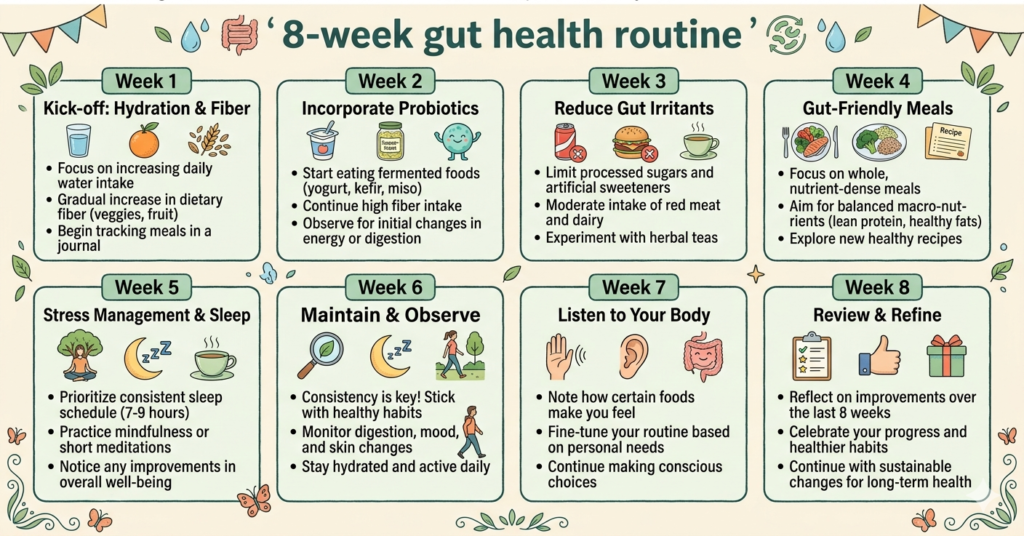
To boost gut health with prebiotics and probiotics, follow these steps:
- Add one prebiotic food daily garlic, oats, or a green banana work well.
- Eat one probiotic food yogurt with live cultures, kefir, or kimchi.
- If supplementing, choose a strain matched to your specific symptom.
- Take supplements consistently with a meal, ideally one containing some fat.
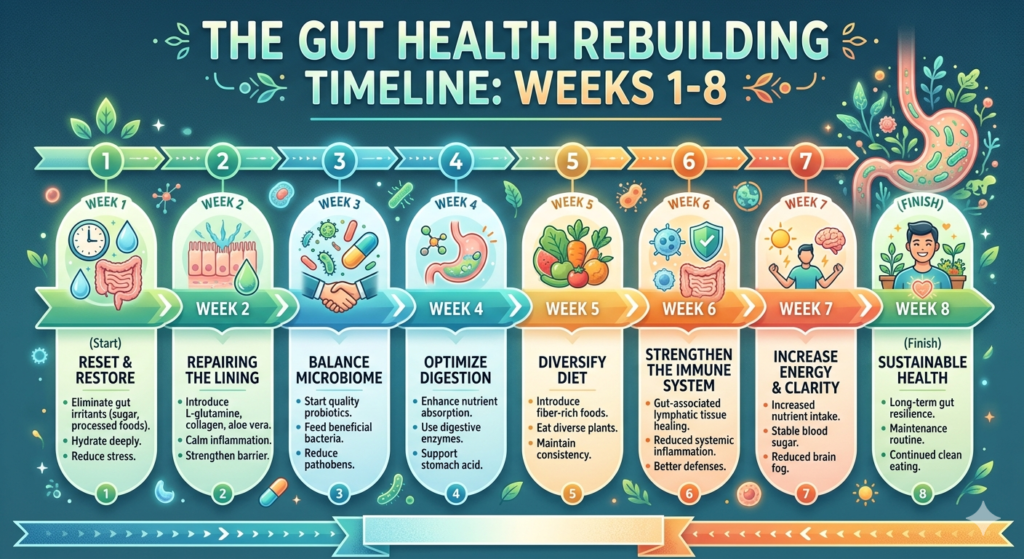
- Allow 4–8 weeks before evaluating results.
The Timing Debate
I’ve seen conflicting data here. Some studies suggest taking probiotic supplements with a fat containing meal improves bacterial survival through stomach acid. Others show no significant timing effect on clinical outcomes. My read is: take them when you’ll actually remember to take them. Consistency matters more than the clock.
What Most Guides Don’t Mention: The Gut Brain Axis
Your gut and brain communicate directly via the vagus nerve. Emerging research including a 2025 consensus statement published in Nature Reviews Gastroenterology & Hepatology by the International Scientific Association for Probiotics and Prebiotics links gut microbiome diversity to mood regulation, reduced anxiety markers, and cognitive clarity. Chronic gut disruption from poor diet, stress, or antibiotic overuse can affect mental and emotional health, not just digestion.
The science isn’t definitive enough for clinical claims yet. But it’s far more developed than most wellness content acknowledges and a genuinely important reason to take microbiome health seriously beyond just bloating.
According to the American Gastroenterological Association, 40% of Americans have skipped a social event due to GI symptoms like constipation or bloating. Chronic gut disruption isn’t a minor inconvenience for a large portion of the population. Consistent dietary habits prebiotic foods daily, reliable probiotic sources, reduced ultra processed food intake form the most supported foundation available right now.
Scope note: This guide covers dietary and supplement based strategies for generally healthy adults focused on everyday digestive function. It does NOT address inflammatory bowel disease, Crohn’s, SIBO, or probiotic use during pregnancy. Those conditions require direct guidance from a gastroenterologist.
Disclaimer: This content is for informational purposes only. It does not constitute medical advice. Consult a healthcare professional before starting any new supplement regimen.
Look if you’ve been buying random probiotic supplements and wondering why nothing changes, here’s what actually works: match the strain to the symptom, add real prebiotic fiber daily, don’t expect results in a week, and stop treating fermented soda as a therapeutic intervention. The microbiome rebuilds slowly. The strategy has to be consistent.