
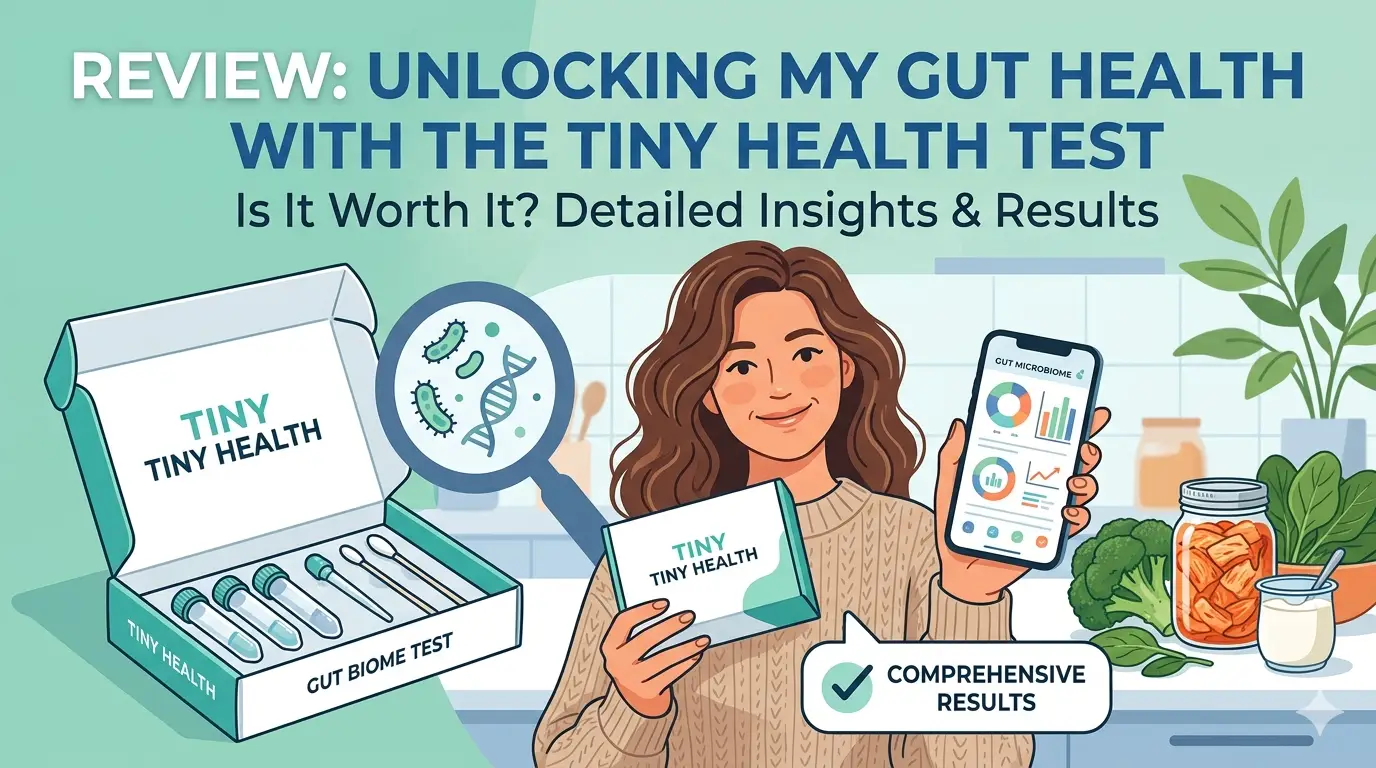
What Is the Tiny Health Gut Test?
The Tiny Health gut test is an at home microbiome testing kit that analyzes your stool sample to evaluate the balance of bacteria in your digestive system.
It focuses on the Gut Microbiome the ecosystem of trillions of bacteria that influence digestion, immunity, and even mental health.
Unlike traditional lab tests, this kit provides:
- A detailed breakdown of gut bacteria
- Insights into microbiome diversity
- Personalized diet recommendations
Why Gut Microbiome Testing Matters
Your gut isn’t just about digestion. It plays a central role in overall health.
Key functions of the microbiome:
- Breaks down food and absorbs nutrients
- Regulates immune responses
- Supports the gut-brain axis
- Helps control inflammation
When the balance is disrupted a condition known as dysbiosis—you may experience:
- Bloating
- Irregular digestion
- Fatigue
- Skin issues
For people dealing with Irritable Bowel Syndrome or chronic gut discomfort, testing can provide clarity.
How the Tiny Health Gut Test Works
The process is simple and designed for home use.
Step-by-step process:
- Order the kit online
Delivered internationally in most regions - Collect your sample
- Uses a small stool sample
- Takes just a few minutes
- Send it to the lab
Prepaid shipping included - Lab analysis
Uses DNA sequencing (16S rRNA technology) - Get your results online
- Personalized dashboard
- Actionable insights
What Do the Results Show?
The report goes beyond basic data and focuses on practical insights.
You’ll typically see:
| Category | What It Means | Suggested Action |
|---|---|---|
| Microbiome diversity | Overall gut strength | Increase fiber intake |
| Beneficial bacteria | Good microbes present | Maintain diet |
| Harmful bacteria | Potential imbalance | Reduce sugar/processed foods |
| Gut balance score | Overall health indicator | Follow recommendations |
Key takeaway:
Results are not just numbers they guide personalized nutrition and lifestyle changes.
How Accurate Is the Tiny Health Test?
The test uses 16S rRNA sequencing, a well established method for identifying bacteria in microbiome research.
What it does well:
- Identifies bacterial types accurately
- Detects diversity and imbalance
- Provides useful trends
Limitations to understand:
- Not a medical diagnosis
- Results can vary based on diet and timing
- Microbiome science is still evolving
Bottom line:
It’s a reliable insight tool, not a replacement for clinical testing.
Who Should Consider This Test?
Best suited for:
- People with bloating or digestive issues
- Parents monitoring infant gut health
- Health conscious individuals
- Anyone exploring personalized nutrition
Less useful for:
- Emergency digestive conditions
- Diagnosing serious diseases
Tiny Health vs Other Gut Tests
Here’s how it compares to competitors like Viome and Ombre.
| Feature | Tiny Health | Viome | Ombre |
|---|---|---|---|
| Focus | Families & infants | Adults | General wellness |
| Method | Microbiome DNA | RNA + microbiome | Microbiome |
| Recommendations | Diet-focused | Supplements | Diet-based |
| Complexity | Beginner-friendly | Advanced | Moderate |
| Price | Mid-range | Higher | Mid-range |
Insight:
Tiny Health stands out for family focused insights and simplicity, while others lean more technical.
Cost & Pricing: Is It Worth It?
Average price range:
- $100 – $300 depending on package
What you’re paying for:
- Test kit
- Lab analysis
- Digital report
- Personalized recommendations
Value perspective:
It’s worth it if you:
- Want personalized gut insights
- Plan to take action on results
Less worth it if you expect:
- Medical diagnosis
- Immediate treatment solutions
Decision Framework: Should You Buy It?
Use this quick checklist:
Buy it if:
- You have ongoing gut discomfort
- You want personalized diet guidance
- You’re curious about your microbiome
Skip it if:
- You need clinical diagnosis
- You’re not willing to change diet/lifestyle
- Budget is a concern
Common Mistakes People Make
Avoid these pitfalls:
- Expecting instant health fixes
- Ignoring diet and lifestyle factors
- Misinterpreting results without context
- Taking one test as final truth
What to Do After You Get Results
This is where most people go wrong results alone don’t fix anything.
Action plan:
- Adjust your diet
- Add fiber-rich foods
- Include fermented foods
- Improve lifestyle
- Sleep
- Stress management
- Track progress
- Monitor symptoms
- Retest after 3–6 months
Natural Alternatives to Gut Testing
If you’re not ready to invest in a test:
Try these first:
- Increase whole foods
- Reduce processed sugar
- Add probiotics and prebiotics
- Stay hydrated
These changes alone can significantly improve gut health.
Global Availability & Buying Considerations
Most microbiome tests, including Tiny Health, are:
- Ordered online
- Shipped internationally
Consider before buying:
- Shipping time
- Import/custom fees
- Availability in your country
Search terms like “gut test delivery worldwide” or “buy gut test online” often apply here.
Benefits of Gut Microbiome Testing
- Personalized health insights
- Better understanding of digestion
- Data-driven nutrition choices
- Early detection of imbalances
Risks & Limitations
- Not clinically diagnostic
- Results can change over time
- Requires lifestyle changes to be effective
Conclusion
The Tiny Health gut test offers a practical way to understand your microbiome without visiting a lab. It’s easy to use, beginner friendly, and delivers personalized insights that can guide better nutrition and lifestyle choices.
That said, it’s not a magic solution. The real value comes from what you do after getting the results.
If you’re serious about improving digestion, reducing symptoms, and taking control of your gut health, this test can be a useful starting point.